Prophet Muhammad (ﷺ)
📅
15 Jun 2026
•
Category: Islamic Learning
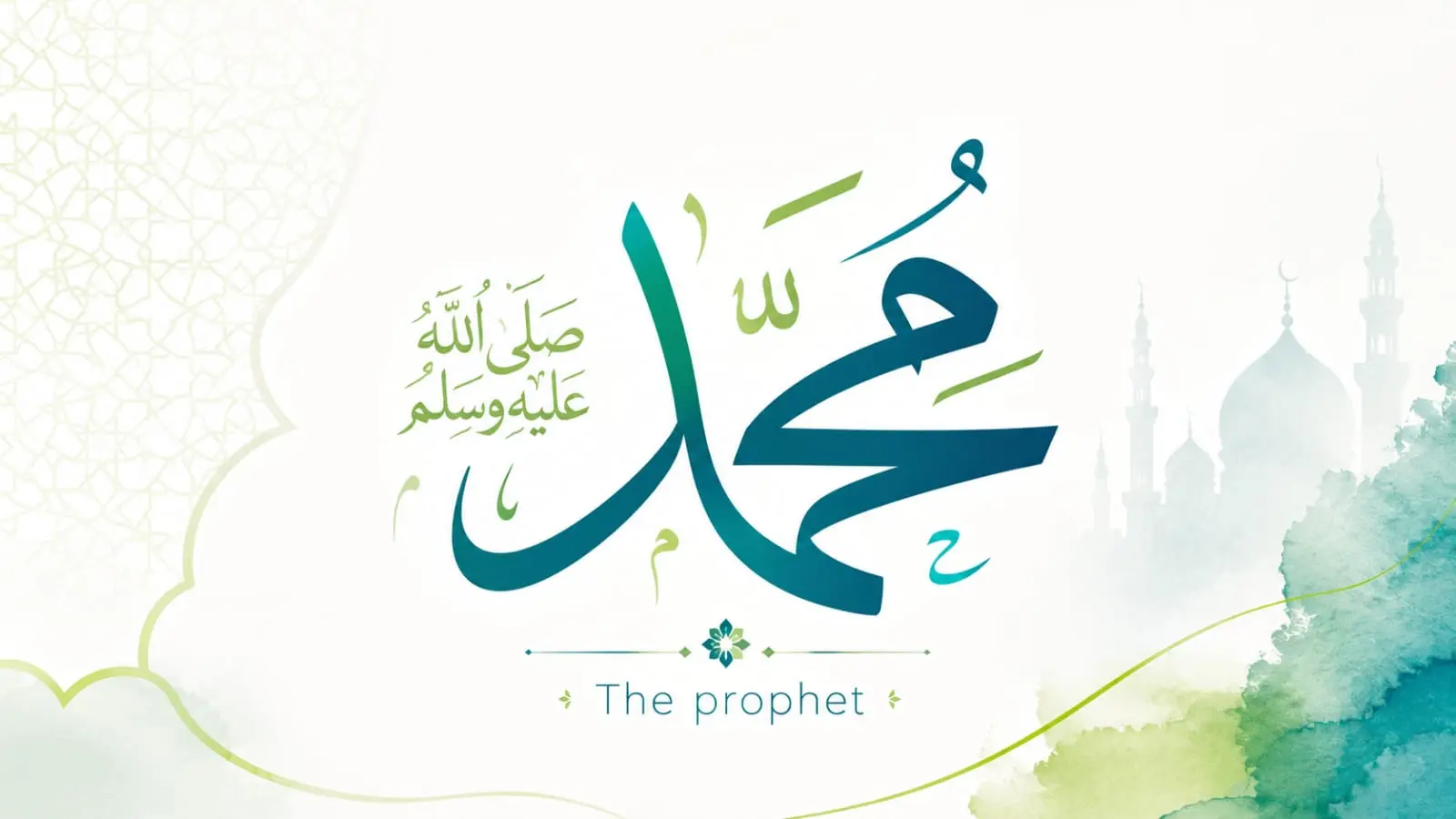
Prophet Muhammad (صلى الله عليه وسلم - Peace Be Upon Him) is revered by Muslims as the final Prophet and Messenger of God (Allah). He was sent to mankind to bring the same core message of monotheism that was preached by previous prophets, including Noah, Abraham, Moses, and Jesus (peace be upon them all).
The Sunrise: Early Life and a Reputation for Truth
Muhammad (ﷺ) was born in Makkah, ancient Arabia, around the year 570 CE. He belonged to the noble tribe of Quraysh. His early life was marked by sorrow and loss; his father passed away before he was born, and he lost his mother when he was only six years old. He was raised first by his grandfather, and later by his caring uncle, Abu Talib.
Despite being an orphan in a very tough society, Muhammad (ﷺ) grew to have an immaculate character. Even as a young man working as a shepherd and later as a merchant, his honesty was unparalleled. In a city where morality was often neglected, he was known by all as "Al-Amin" (The Trustworthy) and "Al-Sadiq" (The Truthful).
The Cave of Hira: A Beacon of Light
As he approached middle age, Muhammad (ﷺ) often took retreats to Jabal al-Nour (The Mountain of Light) near Makkah. He would spend days meditating inside the Cave of Hira, reflecting on the moral decay of his people and searching for true spiritual guidance.
In the year 610 CE, at the age of forty, the light of guidance arrived. The Angel Jibril (Gabriel) appeared to him with the first command of Allah: "Read!" (Iqra). This momentous event marked the start of his prophethood and the beginning of the revelation of the Holy Quran, a process that continued for twenty-three years.
The Makkan Struggle and the Great Migration (Hijrah)
For thirteen years in Makkah, the Prophet (ﷺ) patiently preached the message of Islam. He called people to worship Allah alone, upheld the rights of women and the poor, and declared that all humans are equal. This challenged the Makkan leaders, who benefited from idol worship and tribal hierarchies.
As a result, the early Muslim community faced severe persecution, boycotts, and torture. To protect his followers, Muhammad (ﷺ) led them in a migration in 622 CE to Yathrib, a city to the north that welcomed them. This city was later renamed Madinah (The City of the Prophet). This historic migration is called the Hijrah and marks the start of the Islamic calendar.
Madinah: Establishing a Community of Mercy and Justice
In Madinah, Prophet Muhammad (ﷺ) established the first Muslim society based on justice, religious freedom, and brotherhood. Despite facing defensive wars forced upon them by Makkah, Islam began to flourish.
In 630 CE, the Prophet (ﷺ) returned to Makkah, not with a sword of vengeance, but with unparalleled mercy. He entered the city peacefully and declared a general amnesty, forgiving his greatest enemies. This act of forgiveness won the hearts of the Makkans, and Islam soon spread throughout the entire Arabian Peninsula.
Demise and Everlasting Legacy
Prophet Muhammad (ﷺ) completed his mission and passed away in Madinah in 632 CE. He left behind a complete way of life. His legacy is perfectly preserved through two main sources:
The Quran: The literal word of God.
The Sunnah: His actions, teachings, and descriptions (recorded in books of Hadith).
Here on Nour’s Blog, we remember Prophet Muhammad (ﷺ) not just as a figure of the past, but as a perpetual source of light, kindness, and devotion to God, whose character remains the perfect example for humanity to follow.
Frequently Asked Questions
No FAQs for this article yet.
Comments
No comments yet. Be the first to comment.
Note: Comments may require approval
before appearing publicly.