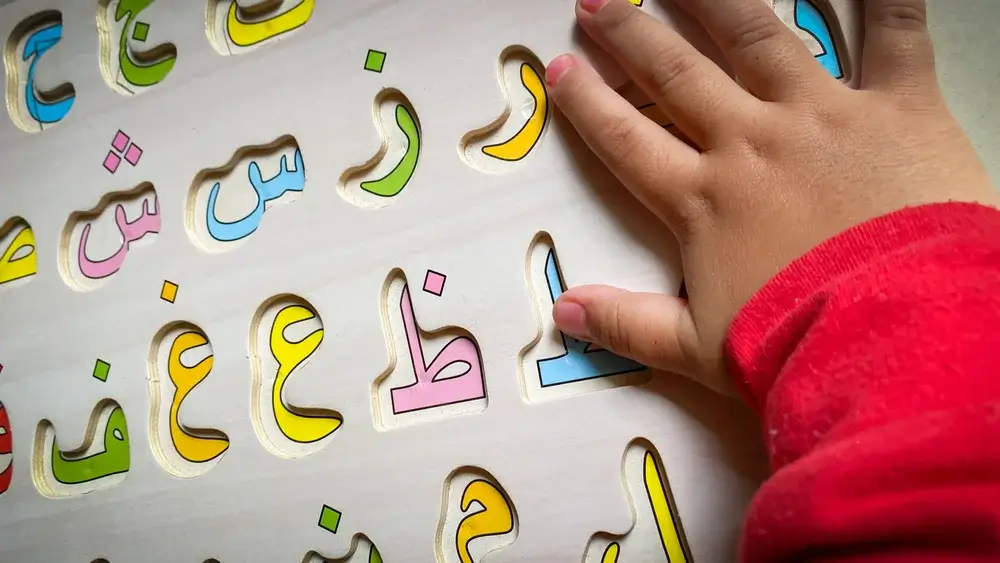
Teaching letters to children
Teaching letters to children is a foundational step in developing early reading
Teaching Letters to Children and Its Importance
Teaching letters to children is one of the most important stages in early childhood education. It forms the foundation for reading and writing skills. When a child learns letters correctly, they gain the ability to recognize words, build sentences, and read with confidence. This is why early letter learning plays a crucial role in academic development.
Teaching letters is not only about recognizing shapes but also about understanding letter sounds and correct pronunciation. Focusing on phonics helps children connect letters with sounds, which is essential for strong reading skills. Clear pronunciation also supports long-term language development.
The best methods for teaching letters to kids include interactive activities such as flashcards, educational games, songs, tracing worksheets, and storytelling. These engaging techniques make learning enjoyable and help children stay focused. Repetition in different contexts strengthens memory and builds confidence.
Starting early, usually between the ages of three and five, allows children to absorb information naturally. However, learning should always be pressure-free and encouraging. Short, playful sessions are more effective than long, forced lessons.
Parents play a vital role in supporting letter learning at home. Reading simple stories, pointing out letters in everyday words, and practicing letter sounds regularly can greatly enhance a child’s progress.
At Nour Center, we follow a structured approach to teaching letters. Children begin by recognizing letter shapes and sounds, then practice writing them correctly, and finally use them in simple words. Our goal is to build strong foundational literacy skills in a supportive and engaging environment.
Teaching letters to children is more than a basic academic step; it is a long-term investment in their educational success and confidence.