
Islamic Studies for Kids: A Complete Beginner's Guide
Discover Islamic Studies for Kids with a clear beginner guide covering faith, the Five Pillars, Quran learning, Salah, S...
Read Article →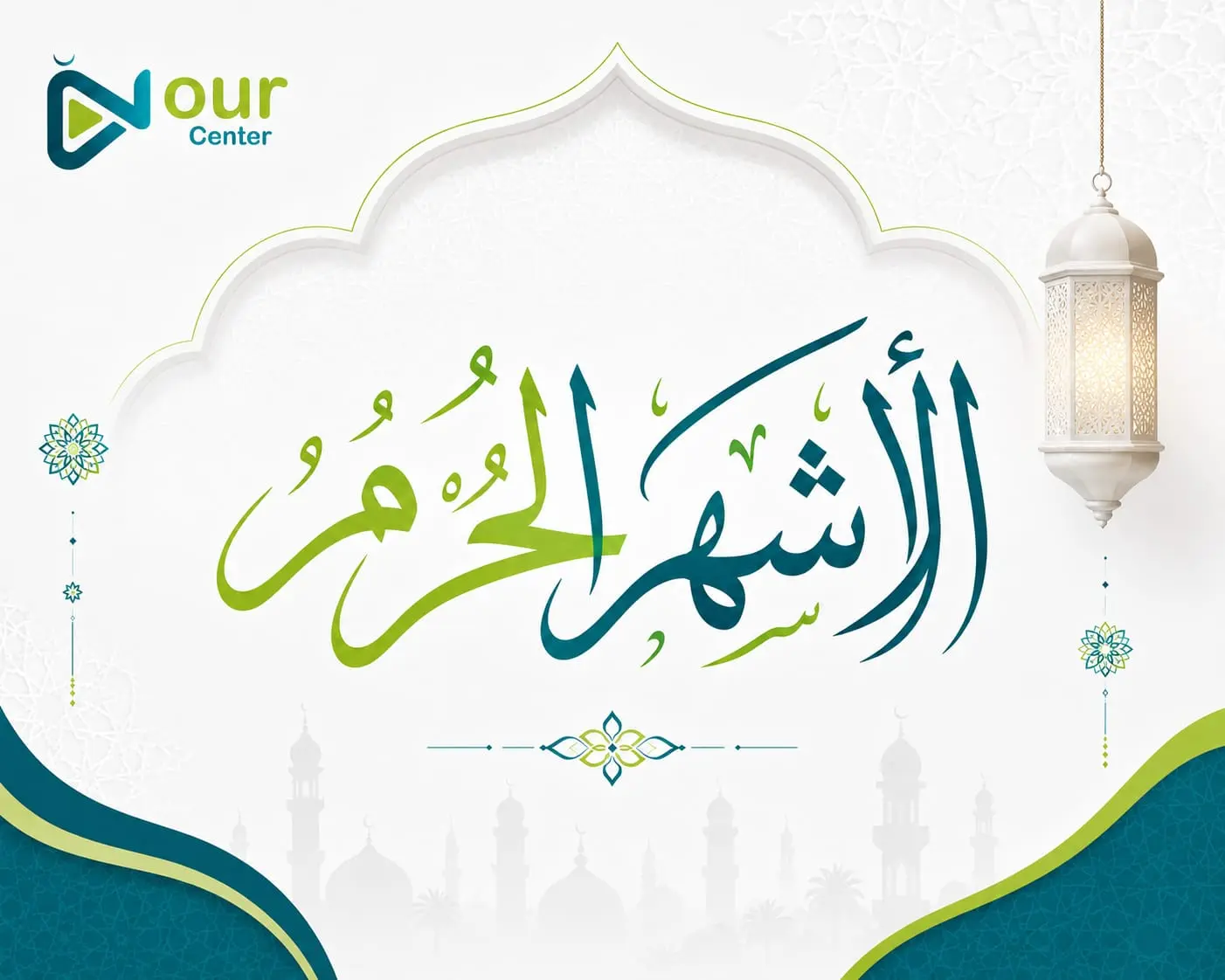
The Quranic Foundation of the Sacred Months
The concept of the Sacred Months was established by Allah at the very beginning of creation. It is a divine decree that highlights the importance of honoring what Allah has made honorable.
Allah mentions these months explicitly in Surah At-Tawbah:
As commanded in this verse, the utmost priority during this time is to avoid wronging oneself, which elevates the responsibility of every believer to maintain righteousness.
During his Farewell Pilgrimage, Prophet Muhammad (peace be upon him) clarified exactly which months fall under this sacred category. Three of these months are consecutive, while one stands completely alone in the calendar.
The name Dhul-Qa'dah linguistically implies "the month of sitting." Historically, during the pre-Islamic era and later confirmed in Islam, this was a time when people would "sit back" from war and conflict. It acted as a period of profound peace to ensure that pilgrims traveling to Makkah for the upcoming Hajj season could do so safely without the threat of highway robbery or tribal warfare.
This is the month of the great pilgrimage (Hajj). Dhul-Hijjah contains the first ten days which the Prophet (PBUH) described as the best days of the entire year for righteous deeds. It features the Day of Arafah (the pinnacle of Hajj) and Eid al-Adha (the Festival of Sacrifice). Because pilgrims are actively performing the rites of Hajj and returning home, the sanctity of this month ensures their spiritual focus and physical safety.
Muharram literally translates to "forbidden" or "sacred." It marks the beginning of the Islamic New Year and is famously referred to by the Prophet as "the month of Allah." This month carries immense spiritual weight and includes the Day of Ashura (the 10th of Muharram), a day of great historical triumph where Allah saved Prophet Musa (Moses) and his people from Pharaoh.
Unlike the other three, Rajab is isolated, sitting between the months of Jumada al-Thani and Sha'ban. The Arabs used to call it "Rajab of Mudar" (named after a tribe that highly respected it). Rajab serves as a spiritual alarm clock, reminding Muslims that the holy month of Ramadan is merely two months away. It is the perfect time to plant the seeds of good habits, seeking forgiveness and increasing voluntary prayers.
The Sacred Months are not just historical markers; they have direct implications on a Muslim's daily life and spiritual practices.
Note: Comments may require approval before appearing publicly.
Discover Islamic Studies for Kids with a clear beginner guide covering faith, the Five Pillars, Quran learning, Salah, S...
Read Article →
ajj is one of the Five Pillars of Islam and a journey of worship, repentance, unity, and devotion to Allah. Learn what H...
Read Article →
Learn how to learn Arabic online with a practical step-by-step plan covering the alphabet, pronunciation, reading, vocab...
Read Article →
Learn Quranic Arabic for beginners step by step, build essential Quran vocabulary, understand common word patterns, reco...
Read Article →